
Bose A30 vs Lightspeed Zulu 3 vs David Clark for General Aviation
For pilots, a reliable and comfortable headset isn’t just an accessory – it’s a crucial piece of safety equipment and a key to enjoying every flight. In the world of aviation headsets, three brands consistently rise to the top: David Clark, Bose, and Lightspeed. In this article we will compare Bose A30 vs Lightspeed Zulu 3 for general aviation.
Each has a loyal following and a reputation for quality…but which one truly reigns as the best? Just like anything in aviation IT DEPENDS!
This post will help you decide which headset is the perfect fit for you!
Let’s Look at The Contenders:
- David Clark: The veteran of the group, David Clark headsets are known for their rugged durability and exceptional passive noise reduction. They are often the go-to choice for flight schools and pilots who prioritize robustness and reliability above all else. Think of them as the dependable workhorse of the aviation world.
- Bose: A household name in audio, Bose entered the aviation headset market with a focus on superior active noise cancellation (ANC) and premium comfort. Their headsets are often praised for creating a remarkably quiet and comfortable flying experience, making long flights less fatiguing. Bose represents the pinnacle of noise-canceling technology in the cockpit.
- Lightspeed: Offering a compelling blend of performance and innovation, Lightspeed headsets have carved out a strong niche by providing excellent ANC, comfortable designs, and a range of features, often at a more accessible price point than Bose. Lightspeed aims to deliver a premium experience without breaking the bank.
Let’s Compare!

Round 1: Noise Reduction
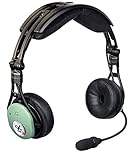
- David Clark: Excels in passive noise reduction, effectively blocking out a significant amount of high-frequency noise. However, it lacks active noise cancellation.
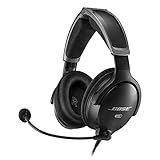
- Bose: Dominates in active noise cancellation, virtually eliminating low-frequency engine noise and creating a serene cockpit environment. Passive noise reduction is also respectable.
- Lightspeed: Offers highly effective active noise cancellation that rivals Bose in many scenarios, along with good passive noise reduction.
Noise Reduction Winner
Bose A30
Bose, for its industry-leading ANC.
Pros
Industry Leading Noise Cancelling
Reduces external noise by 30%
Round 2: Comfort
- David Clark: Built for durability, comfort can sometimes take a backseat. While advancements have been made in recent models, they can feel heavier and less plush compared to the competition, especially on longer flights.
- Bose: Renowned for their lightweight design, plush earcups, and minimal clamping force, Bose headsets provide exceptional comfort for extended wear.
- Lightspeed: Strikes a good balance, offering comfortable earcups and headbands that allow for comfortable wear during long flights. Many users find them comparable to Bose in terms of comfort.
Comfort Winner
Bose A30
Bose, for its superior focus on lightweight design and plush materials.
Pros
Light Weight Design
Plush Ear Cups
Minimal
Round 3: Features & Technology
- David Clark: Primarily focused on core functionality – effective noise reduction and clear communication. Newer models may include Bluetooth connectivity, but the feature set is generally more basic.
- Bose: Often incorporates advanced features like Bluetooth connectivity for calls and music, audio prioritization, and customizable ANC modes in some models.
- Lightspeed: Offers a wide array of features, often including Bluetooth, music input, call capabilities, and even flight logging integration via companion apps in some models.
Lightspeed
Diverse range of features and technological integrations.
Pros
Music Input
Call Capability
Flight Logging Capability
Round 4: Durability & Reliability
- David Clark: Boasts a legendary reputation for ruggedness and longevity. Their no-nonsense design and robust construction make them incredibly durable and a long-term investment.
- Bose: While well-made, their emphasis on lightweight materials might make some pilots question long-term durability compared to David Clark. However, they are generally reliable with proper care.
- Lightspeed: Generally well-built and reliable, though perhaps not quite as bombproof as a classic David Clark.
David Clark
For its unmatched reputation for durability and longevity.
Pros
No-nonsense Design
Rugged
Durable
Round 5: Price
- David Clark: Typically the most budget-friendly of the three, offering excellent value for its robust performance.
- Bose: Positions itself at the premium end of the market, with prices reflecting its advanced ANC technology and comfort features.
- Lightspeed: Often sits in the middle ground, offering a compelling balance of features and performance at a more accessible price point than Bose.
David Clark
For its overall affordability.
Pros
Budget Friendly
Great Value
The Verdict:
There’s no single “best” aviation headset – however, the ideal choice depends on your individual needs and priorities.
I used used David Clark for years in the past, however I finally made the jump to Bose for all my Military, GA, and Commercial applications.
My Recommendation is Bose!
- Choose David Clark if: You prioritize rugged durability, reliable passive noise reduction, and value without breaking the bank. They are an excellent choice for student pilots and those who need a headset that can withstand demanding environments.
- Choose Bose if: You demand the absolute best in active noise cancellation and prioritize exceptional comfort for long flights. If a quiet and fatigue-reducing cockpit experience is paramount, Bose is the top contender.
- Choose Lightspeed if: You seek a headset that offers a strong combination of effective active noise cancellation, comfortable design, and a wide range of modern features at a competitive price. Lightspeed often provides the best balance of performance and value.
Ultimately, the best way to find your perfect aviation headset is to try them on if possible and consider the specific demands of your flying. Happy flying!